
Virgin coconut oil has gained immense popularity in recent years. All thanks to the wide array of uses and potential health benefits. This natural oil comes from fresh coconut meat without the use of high temperatures or chemicals. This process ensures its purity and nutrient-rich composition. In this article, we’ll explore what makes it so special and why it’s become a staple in households around the world.
The Basics
Virgin coconut oil has been used for centuries in tropical regions as a dietary staple and has also been traditionally used for a variety of purposes. Derived from the fruit of the coconut palm tree (Cocos nucifera), this oil is valued for its purity, natural aroma, and nutritional composition. Unlike other types of coconut oil, VCO goes through minimal processing, which helps retain many of its naturally occurring compounds.
The term “virgin” refers to the method of extraction and the purity of the oil. It comes from fresh, mature coconuts without the use of chemicals or high heat, which helps maintain the oil’s integrity and nutrient profile. This makes it a superior choice for those looking to incorporate natural and wholesome products into their diet and lifestyle.
The popularity of virgin coconut oil has surged in recent years, driven by a growing interest in natural and organic products. It has become a favored ingredient not only in kitchens but also in beauty and wellness routines worldwide. Whether used for cooking, skincare, or as a dietary supplement, it offers a versatile solution that aligns with the holistic health movement.
The Extraction Process of Virgin Coconut Oil
The extraction process is crucial in determining its quality and nutritional content. Unlike refined coconut oil, which undergoes extensive processing, virgin coconut oil is produced using methods that preserve its natural state. Here, we explore the two primary extraction methods: wet milling and cold pressing.
Wet Milling
Wet milling is a traditional method of extracting VCO that involves several steps:
- Coconut Selection and Preparation: The process begins with selecting mature coconuts, which are then de-husked and grated to produce fresh coconut meat
- Coconut Milk Extraction: The grated coconut meat is mixed with water to create a creamy coconut milk. This milk is then separated from the coconut solids through a process of squeezing and filtering
- Fermentation or Centrifuge: To separate the oil from the water in the coconut milk, the mixture is either allowed to ferment naturally for 24-48 hours or placed in a centrifuge. During fermentation, the cream rises to the top, and the oil is extracted from this layer. The centrifuge method involves spinning the coconut milk at high speeds, which causes the oil to separate from the water and solids
- Purification: The extracted oil is then purified by filtration to remove any remaining particles, resulting in pure virgin coconut oil with a rich aroma and flavor.
Cold Pressing
Cold pressing is another popular method for extracting VCO:
- Coconut Preparation: Similar to wet milling, mature coconuts are selected and the fresh meat is grated
- Pressing: The grated coconut meat is placed in a mechanical press, which applies pressure to extract the oil. This process does not involve any heat, ensuring that the oil retains its natural enzymes and nutrients
- Filtration: The oil is then filtered to remove any coconut solids, resulting in a clear, high-quality virgin coconut oil.
Both wet milling and cold pressing produce coconut oil with high nutritional value, though each method may result in slight variations in flavor and aroma. The choice of method often depends on regional preferences and available technology.
Nutritional Profile of Virgin Coconut Oil
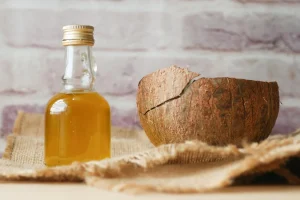
Virgin coconut oil has a distinctive nutritional composition that sets it apart from many other oils. It contains fatty acids, including medium-chain fatty acids, as well as small amounts of naturally occurring compounds such as polyphenols. These components have been studied for various nutritional and biological properties.
Medium-Chain Triglycerides (MCTs)
Virgin coconut oil is composed largely of saturated fat and contains fatty acids commonly discussed in relation to medium-chain triglycerides (MCTs). Lauric acid is one of the major fatty acids in virgin coconut oil. These fatty acids have been studied for their roles in energy metabolism and nutrition.
- Energy Production: Medium-chain fatty acids can be metabolized differently from many longer-chain fatty acids and may be used by the body as a source of energy.
- Metabolic Boost: MCTs and other dietary fats have been studied in relation to metabolism and body weight. However, consuming virgin coconut oil should not be expected to produce weight loss on its own.
- Appetite Control: Some studies have examined MCTs in relation to feelings of fullness and calorie intake, although results can vary and should not be interpreted as a guaranteed weight-management effect.
Antioxidants
Virgin coconut oil contains naturally occurring compounds, including polyphenols, that have been studied for antioxidant activity. Antioxidants are involved in protecting cells from oxidative stress caused by free radicals. Research continues to examine the potential biological significance of the antioxidant compounds found in virgin coconut oil.
Vitamins and Minerals
While virgin coconut oil isn’t a significant source of vitamins and minerals, it does contain small amounts of fat-soluble vitamins such as vitamin E and vitamin K. Vitamin E is known for its antioxidant properties and its ability to promote skin health, while vitamin K plays a role in bone health and blood clotting.
Health Benefits of Virgin Coconut Oil
Virgin Coconut Oil and Heart Health
Virgin coconut oil has been studied in relation to cholesterol and cardiovascular health. Research has examined how coconut oil consumption may affect HDL (high-density lipoprotein) and LDL (low-density lipoprotein) cholesterol levels. Because virgin coconut oil is high in saturated fat, its effects on cardiovascular health should be considered in the context of a person’s overall diet. It should not be considered a treatment for high cholesterol or cardiovascular disease.
Virgin Coconut Oil and Weight Management
The fatty acids in virgin coconut oil have been studied in relation to energy metabolism, appetite, and body weight. Some research on medium-chain triglycerides has examined their effects on energy use and feelings of fullness. However, virgin coconut oil should not be expected to cause weight loss on its own, and overall diet and lifestyle remain important factors in weight management.
Virgin Coconut Oil and Immune Function
Lauric acid, a major component of virgin coconut oil, has been studied for antimicrobial properties, particularly in laboratory settings. These findings have contributed to interest in its potential biological effects. However, consuming virgin coconut oil has not been established as a way to prevent or treat infections or diseases.
Promotes Skin and Hair Health
Virgin coconut oil is a popular ingredient in natural skincare and hair-care products due to its moisturizing and conditioning properties. It can be used as a moisturizer to help soften dry skin and may also be applied to the hair to help condition it, reduce frizz, and improve manageability.
Uses of Virgin Coconut Oil
Cooking and Baking
Virgin coconut oil is a versatile cooking oil that can be used in a variety of dishes. Its mild coconut flavor adds a unique twist to recipes, and its high smoke point makes it suitable for sautéing, frying, and baking. You can use virgin coconut oil as a substitute for butter or other oils in a variety of recipes.
Skincare and Beauty
Incorporating virgin coconut oil into your skincare routine may offer moisturizing benefits. Its moisturizing properties can make it useful for dry skin. Coconut oil has also been studied for antimicrobial properties, but it should not be considered a treatment for acne or other skin conditions. Virgin coconut oil can also be used as a makeup remover, lip balm, and massage oil.
Hair Care
Virgin coconut oil is a popular choice for hair care because of its ability to penetrate and condition the hair shaft. You can use it as a deep-conditioning treatment, leave-in conditioner, or as part of a scalp-care routine. It may help condition the hair and reduce protein loss, but it should not be considered a treatment for hair loss or scalp conditions.
Dental Care
Oil pulling is a traditional oral-hygiene practice that involves swishing virgin coconut oil in the mouth for several minutes. Coconut oil has been studied in relation to oral hygiene, but oil pulling should not replace regular brushing, flossing, or professional dental care.
Household Uses
Beyond its culinary and personal care applications, virgin coconut oil can be used for various household purposes. It can serve as a natural furniture polish, a lubricant for squeaky hinges, or even a natural insect repellent when combined with essential oils.
Environmental Impact and Sustainability
When choosing virgin coconut oil, it’s important to consider the environmental impact and sustainability of the production process. Look for brands that prioritize fair trade practices, support local farmers, and utilize sustainable harvesting methods. By making informed choices, you can contribute to a more sustainable and ethical coconut oil industry.
The Rise of Virgin Coconut Oil in the Wellness Industry
In recent years, virgin coconut oil has seen a meteoric rise in popularity within the wellness industry. This surge is driven by a growing consumer preference for natural and holistic health products. It can also help increase awareness of the numerous benefits attributed to coconut oil. From health and nutrition to beauty and personal care, VCO has become a staple in a wide range of products and practices. Let’s explore the factors that have contributed to this rise and the various ways in which it is being embraced by the wellness community.
Consumer Demand for Natural Products
One of the primary reasons for the rise of virgin coconut oil in the wellness industry is the increasing demand for natural and organic products. Consumers today are more informed than ever and are actively seeking out products that align with their values and lifestyles. This trend is driven by a desire to reduce exposure to synthetic chemicals and embrace more sustainable options.
VCO, with its minimal processing and natural composition, fits perfectly into this trend. It’s free from additives, preservatives, and artificial ingredients. It’s a preferred choice for those looking to live a cleaner and more conscious lifestyle. As a result, it has become a popular ingredient in a wide range of health and wellness products. Many have incorporated it into dietary supplements to beauty and skincare formulations.
Health Benefits and Scientific Research
The rise of virgin coconut oil in the wellness industry has also been influenced by growing scientific interest in its nutritional and biological properties. Studies have examined the fatty-acid composition of VCO, particularly its high concentration of medium-chain fatty acids, in relation to metabolism, energy use, and other aspects of health.
Additionally, the antimicrobial and antioxidant properties associated with components of virgin coconut oil have been studied in laboratory and other research settings. Research continues to explore their potential relevance to health. However, evidence varies depending on the specific benefit being considered, and preliminary findings should not be interpreted as proof that VCO can prevent or treat disease.
Versatility in Use
Virgin coconut oil’s versatility is another factor contributing to its rise in the wellness industry. This oil can be used in a multitude of ways, making it a valuable addition to various wellness routines:
- Dietary Use: It can be consumed as part of the diet or added to smoothies, coffee, and other foods. Its nutritional role should be considered as part of a person’s overall diet.
- Cooking and Baking: With its mild flavor and relatively high smoke point, it can be used for cooking and baking and may be substituted for butter or other cooking oils in appropriate recipes.
- Skincare and Beauty: It’s a popular ingredient in natural skincare and beauty products due to its moisturizing and conditioning properties. You can use it as a moisturizer, makeup remover, or as part of a hair-care routine.
- Holistic Health Practices: In holistic health practices, VCO is sometimes used for oil pulling, a traditional Ayurvedic practice involving swishing oil in the mouth. It is also used in massage and aromatherapy routines for personal care and relaxation.
Frequently Asked Questions
What is the difference between virgin and refined coconut oil?
- VCO comes from fresh coconut meat without the use of high heat or chemicals. This process preserves its natural nutrients and flavor. Refined coconut oil undergoes additional processing and is often deodorized and bleached. It results in a more neutral taste and aroma.
Can I use virgin coconut oil for cooking at high temperatures?
- Yes, VCO has a relatively high smoke point, making it suitable for cooking at moderate to high temperatures. However, for extremely high-heat cooking, such as deep frying, it is best to use oils with even higher smoke points.
Is virgin coconut oil suitable for all skin types?
- VCO is generally safe for most skin types. But those with sensitive or acne-prone skin may want to test it on a small area first. If you experience any irritation or breakouts, discontinue use and consult a dermatologist.
How can I store virgin coconut oil?
- To ensure the longevity, store it in a cool, dark place away from direct sunlight. It can solidify at cooler temperatures but will return to a liquid state when warmed.
Can I use virgin coconut oil as a natural deodorant?
- Yes, Virgin coconut oil is sometimes used as an ingredient in homemade natural deodorants because of its texture and its studied antimicrobial properties. However, effectiveness can vary, and additional ingredients such as baking soda or arrowroot powder are commonly used.
Conclusion
Virgin coconut oil’s popularity continues to grow because of its many culinary, household, and personal-care uses. From cooking and beauty to other everyday applications, its versatility and natural composition have contributed to its widespread use. As with any dietary fat, it is best used with consideration of your overall diet and individual needs.