
Coconut oil for dog skin is a popular natural grooming option among pet owners. It contains fatty acids that may help soften dry skin and improve the appearance of a dog’s coat.
However, coconut oil is not a proven treatment for skin infections, allergies, or eczema in dogs. Understanding its uses and limitations can help you care for your pet safely.
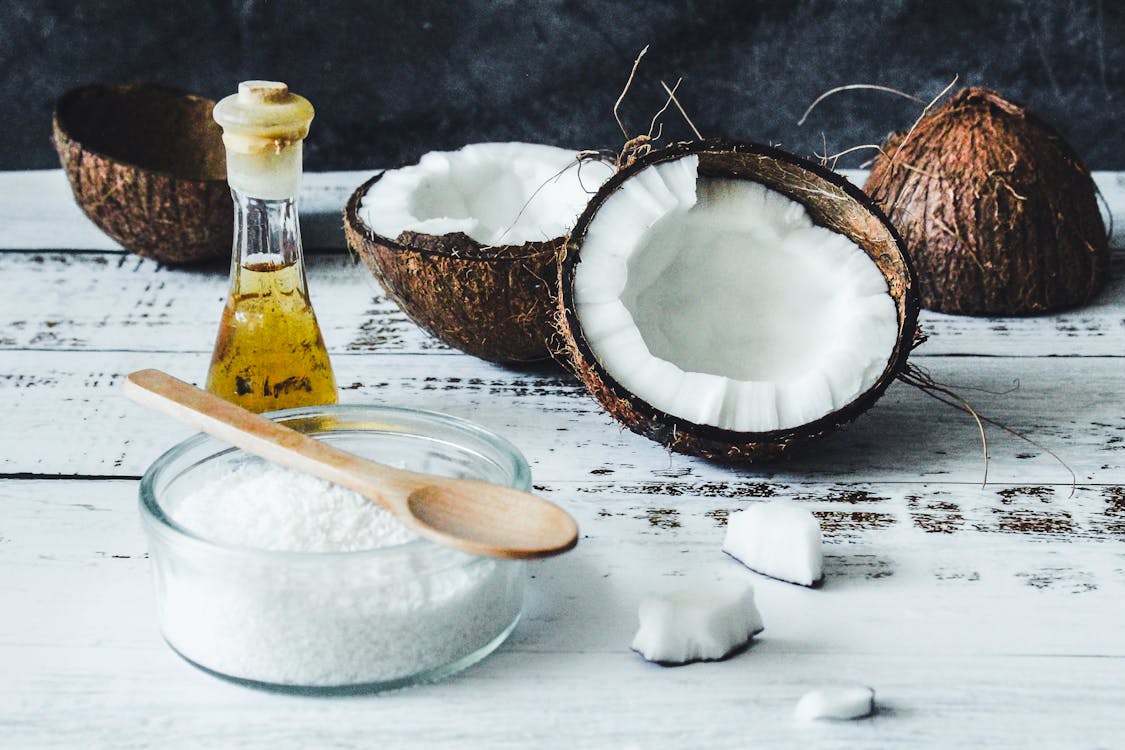
What Is Coconut Oil?
Coconut oil is a plant-based oil extracted from coconut meat. It contains saturated fatty acids, including lauric acid.
It is commonly used in food, skincare, and pet grooming. However, its effectiveness for specific canine skin conditions is not well established.
Benefits of Coconut Oil for Dog Skin
Some pet owners use coconut oil for dog skin to support grooming and reduce the appearance of dryness.
Quick Facts: Coconut Oil and Dogs
Skin Care: May temporarily soften dry skin.
Coat Care: Can add shine to the coat.
Safety: Use cautiously and consult a veterinarian for persistent skin problems.
1. Dry Skin Moisturizing
A small amount of coconut oil may help soften dry skin. However, it does not address the underlying cause of persistent dryness.
2. Coat Conditioning
Coconut oil may temporarily improve the appearance of a dry coat. Avoid excessive application because it can leave fur greasy.
3. Grooming Support
When tolerated, coconut oil may be used sparingly during routine grooming. Stop if redness, itching, or irritation develops.
How to Apply Coconut Oil to Dogs
Before applying coconut oil to your dog, ask your veterinarian whether it is appropriate for your pet’s skin.
- Choose plain coconut oil without added fragrances.
- Test a very small amount on healthy skin.
- Avoid open wounds, infected areas, and irritated skin.
- Monitor for redness, itching, or excessive licking.
- Stop using it if your dog develops discomfort.
Can Dogs Eat Coconut Oil?
Some owners add coconut oil to dog food, but it is high in fat and calories. Too much may cause digestive upset or weight gain.
Dogs with pancreatitis or other medical conditions may need to avoid additional dietary fat. Always ask your veterinarian before introducing a supplement.
Coconut Oil for Dog Dandruff
Dog dandruff may result from dry skin, allergies, parasites, or underlying health conditions.
Although coconut oil may provide temporary moisture, it does not treat the underlying cause of dandruff.
If your dog has persistent flaking or itching, consult a veterinarian for an appropriate diagnosis.
Coconut Oil for Dog Eczema
Eczema-like skin irritation in dogs may cause redness, itching, and hair loss.
Coconut oil is not a proven treatment for canine eczema or allergic dermatitis.
When to Contact a Veterinarian
Seek professional advice if your dog has severe itching, open sores, swelling, hair loss, or persistent skin irritation.
Choosing Coconut Oil for Dog Skin Care
If your veterinarian approves its use, choose a plain product without added fragrances or unnecessary ingredients.
Explore more about coconut oil and pet health and virgin coconut oil .
For reliable pet health information, visit the Merck Veterinary Manual .
Frequently Asked Questions
Is coconut oil safe for dog skin?
Some dogs may tolerate small topical amounts, but reactions are possible. Veterinary guidance is recommended.
Can coconut oil treat dog dandruff?
It may temporarily moisturize dry skin, but it does not treat underlying conditions that cause dandruff.
Can coconut oil cure dog eczema?
No reliable clinical evidence shows that coconut oil cures canine eczema.
How often should I apply coconut oil?
There is no universal application schedule for all dogs. Ask your veterinarian what is appropriate for your pet.
Final Thoughts
Coconut oil for dog skin may offer limited moisturizing and grooming benefits, but it is not a substitute for veterinary skin treatments.
Regular grooming, balanced nutrition, and professional care are essential for maintaining healthy canine skin.